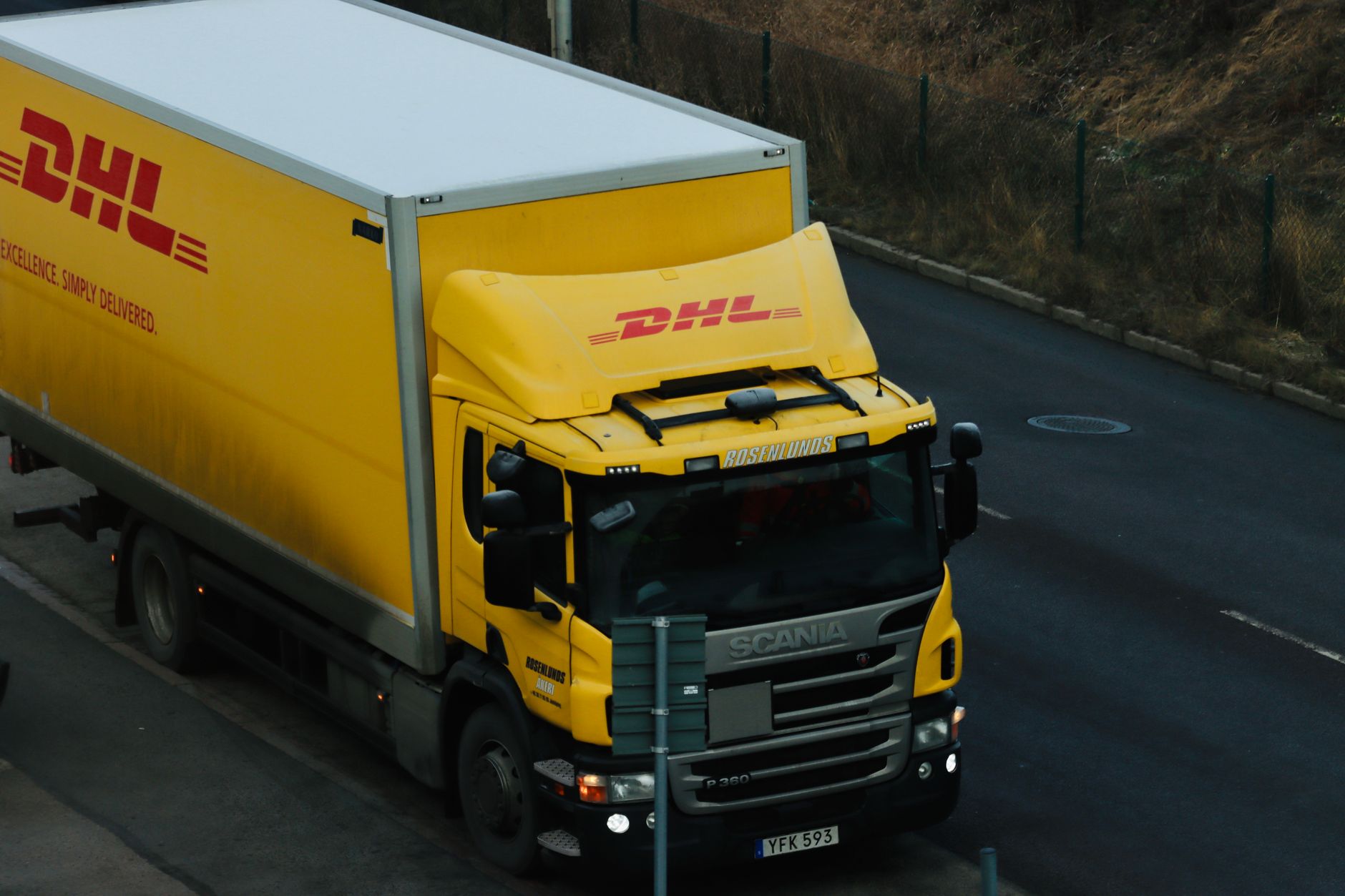
Washington, D.C. — Federal transportation agencies and lawmakers are advancing a broad regulatory agenda aimed at reshaping commercial vehicle operations, tackling everything from illegal freight brokerages to persistent parking shortages. The Biden administration and the Federal Motor Carrier Safety Administration have pursued various policy initiatives designed to reduce highway accidents involving passenger cars and commercial trucks, setting off intense debates across the freight sector. While safety advocates push for tighter controls, owner-operators and fleet managers are closely monitoring how these rules will impact day-to-day operations on the road.
Regulatory scrutiny is intensifying around freight intermediaries, with Congress directing the FMCSA to establish clear boundaries separating licensed brokers, bona fide agents, and dispatch services. Lawmakers set a strict deadline for the agency to finalize these guidelines and identify safety vulnerabilities linked to unlawful brokerage operations. At the same time, the debate over mandatory electronic engine speed-limiter devices continues to divide the industry, as independent operators warn that speed differentials between trucks and cars will exacerbate traffic hazards, while larger carriers support a 70-mph cap.
Labor policy and driver compensation are also under the microscope following the expiration of the Guaranteeing Overtime for Truckers Act. This proposed legislation aimed to repeal the long-standing Fair Labor Standards Act exemption that denies overtime pay to commercial drivers, a change strongly backed by the Owner-Operator Independent Drivers Association and the administration's supply chain reports. Meanwhile, shipping giants and logistics providers are renewing their push for federal truck size and weight increases through a proposed 10-state pilot project designed to permit heavier vehicles on interstate highways to lower emissions.
What This Means for Drivers
CDL-A drivers and OTR truck drivers face a rapidly shifting operational environment as federal policies and infrastructure grants attempt to smooth out persistent supply chain bottlenecks at ports and freight hubs. Proposed wireless truck identification mandates have drawn heavy criticism from drivers and small fleets worried about data security, potential out-of-pocket costs, and the public broadcasting of sensitive medical or hours-of-service compliance data. Meanwhile, long-distance haulers continue to struggle with basic roadside necessities, keeping the push for federally mandated restroom access at truck stops and shipping facilities a top priority for driver advocacy groups.
Industry Reaction
Carriers, shipper associations, and independent trucker advocates remain sharply divided over the practical consequences of these regulatory proposals. Large motor carriers and logistics companies argue that heavier truck weights and standardized electronic speed controls will improve fuel efficiency and overall highway safety. Conversely, independent owner-operators and small fleets contend that heavy-handed federal mandates and costly compliance tracking tools disproportionately squeeze small business truckers who are already operating on razor-thin margins.
Key Points
- The FMCSA faces congressional pressure to establish clear guidelines distinguishing legitimate freight brokers from unlawful operations and dispatch services.
- Proposed speed limiter mandates have generated more than 15,000 public responses, highlighting deep division between independent operators and large fleets.
- Legislative efforts to eliminate the FLSA overtime exemption for commercial drivers remain a central priority for driver advocacy organizations.
- Advocates continue pushing for federal legislation to guarantee truckers proper restroom access at shipper facilities and ports nationwide.
Looking for a better trucking job? US Trucker's free job-matching service connects CDL-A drivers, OTR drivers, regional drivers, and owner-operators with 500+ top US carriers. Leave your details in the form on this page and a recruiter will call you within one business day. Trucking companies are hiring now.
Photo by Efrem Efre on Pexels