Washington, D.C. — The Federal Highway Administration rolled out a 16‑year strategy on Tuesday to install battery‑charging and hydrogen‑refueling stations along 12,000 miles of freight‑intensive interstate highways and major container ports across the United States.
The plan, dubbed the National Zero‑Emission Freight Corridor Strategy, seeks to shrink the 23% share of greenhouse‑gas emissions that medium‑ and heavy‑duty trucks contribute to the nation’s transportation sector. By focusing first on local return‑to‑base runs, first‑ and last‑mile deliveries, and port drayage, the administration hopes to create a viable charging ecosystem before tackling long‑haul routes.
Four rollout phases guide the effort. Phase 1 (2024‑2027) will establish priority hubs on Interstates 5, 10, 25, 75, 80, 95 and the Texas Triangle, plus 100‑mile freight ecosystems around the Ports of Los Angeles, Long Beach, New York‑New Jersey, Seattle‑Tacoma, Miami, Houston and Savannah. Phase 2 (2027‑2030) adds regional corridor links and introduces hydrogen fuel‑cell trucks for longer trips. Phase 3 (2030‑2035) expands network connectivity, while Phase 4 (2035‑2040) integrates truck‑parking facilities to serve all vehicle classes. FHWA Administrator Shailen Bhatt said the designations will grow the national EV charging network, spur clean commerce, and back President Biden’s net‑zero goal for 2050. The administration’s sales targets call for at least 30% of medium‑ and heavy‑duty trucks to be zero‑emission by 2030 and 100% by 2040.
What This Means for Drivers
CDL‑A drivers and owner‑operators will soon see charging stations appear at key rest stops on the listed interstates, reducing range anxiety on regional runs. Fleet managers can begin planning routes that incorporate battery‑electric trucks for short‑haul and drayage work, while keeping hydrogen options in reserve for longer hauls once Phase 2 is live. OTR truck drivers should anticipate a gradual shift toward mixed fleets, meaning training on both plug‑in and fuel‑cell systems will become a competitive advantage. Early adopters may qualify for federal incentives that offset vehicle purchase costs and support retrofits for existing trucks.
Industry Reaction
The American Trucking Associations welcomed the roadmap but warned that infrastructure rollout must keep pace with vehicle adoption to avoid bottlenecks. Independent owner‑operators expressed cautious optimism, noting that reliable charging at ports could cut idle time and improve profitability. Several regional carrier coalitions highlighted the need for coordinated permitting and utility partnerships to ensure stations are built on schedule. Overall, the industry sees the plan as a necessary push toward decarbonization, provided execution stays on track.
Key Points
- 16‑year, 12,000‑mile charging and hydrogen network targets high‑volume freight corridors.
- Phase 1 focuses on Interstates 5, 10, 25, 75, 80, 95 and the Texas Triangle, plus major West and East Coast ports.
- Goal: 30% zero‑emission medium‑ and heavy‑duty truck sales by 2030; 100% by 2040.
- Four phases will expand from regional hubs to a fully integrated national EV freight corridor by 2040.
Looking for a better trucking job? US Trucker's free job‑matching service connects CDL‑A drivers, OTR truck drivers, regional drivers, and owner‑operators with 500+ top US carriers. Leave your details in the form on this page and a recruiter will call you within one business day. Trucking companies are hiring now.
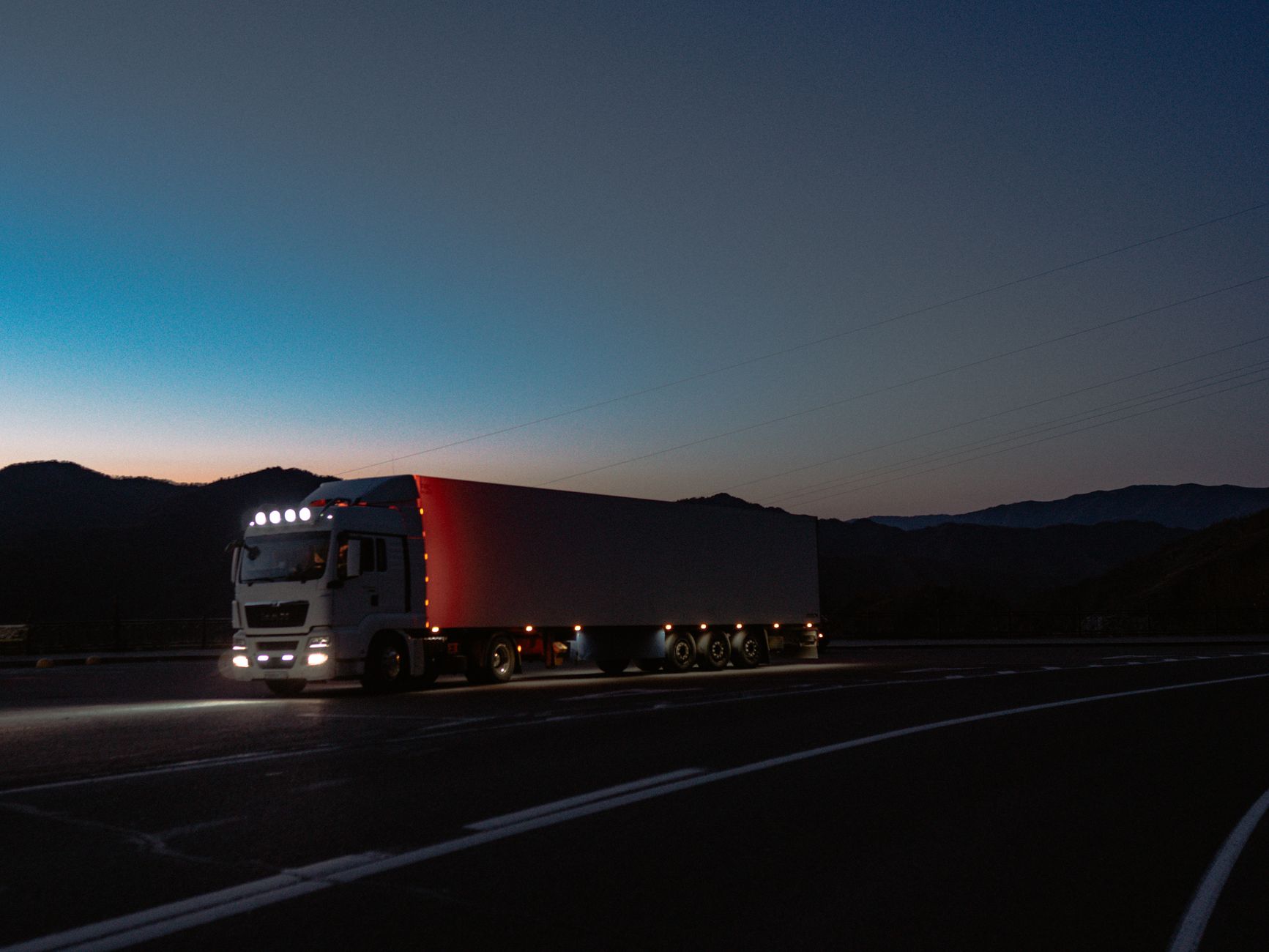
Photo by Sergei Skrynnik on Pexels