CHARLOTTE, NC — The chronic lack of qualified personnel across the freight sector is being driven in large part by rigid federal drug testing requirements that conflict with the changing legal status of cannabis across the United States. Chris Harvey, head of equity strategy at Wells Fargo, recently identified the disconnect between state-level legalization and federal transportation policy as a primary factor keeping thousands of seats empty in cabs nationwide.
The logistics industry finds itself in a precarious position where the labor market is tightening while the regulatory environment remains uncompromising. As more states move to approve cannabis for medical and recreational purposes, the pool of eligible candidates for CDL-A driver roles continues to shrink. Because federal law maintains a zero-tolerance policy for interstate commercial operators, drivers who choose to consume in their private lives are effectively disqualified from the profession, regardless of their safety records or years of experience behind the wheel.
Government data from December 2021 revealed that approximately 60,000 drivers had tested positive for marijuana use over the preceding two years. When placed against the industry’s estimated 80,000-driver shortage, the mathematical impact of these FMCSA regulations becomes clear. The federal Clearinghouse now ensures that any driver who records a positive test is immediately removed from service, creating a permanent barrier to employment that prevents these individuals from moving to other fleets.
What This Means for Drivers
Professional drivers are finding that their off-duty personal choices carry immediate, long-term consequences for their careers. For an owner-operator, a single positive test result can result in the immediate loss of their livelihood and a permanent mark on their federal record that no other carrier can overlook. The industry’s strict adherence to these testing protocols means that even seasoned veterans are being pushed out of the workforce, exacerbating the pressure on those who remain on the road. As trucking companies are hiring to fill these massive gaps, they remain bound by these federal mandates that effectively filter out a significant portion of the available talent pool.
Industry Reaction
Industry leaders and financial analysts remain divided on how to balance public safety with the desperate need for more capacity. While some stakeholders argue that the safety standards are non-negotiable for the protection of all motorists, others suggest that the current framework is outdated. With 18 states allowing recreational use and 37 permitting medical cannabis, the industry is increasingly at odds with the legal realities of the jurisdictions where drivers live. This friction has forced many carriers to intensify their recruitment efforts, yet the bottleneck created by the Clearinghouse remains a primary hurdle for HR departments across the country.
Key Points
- Wells Fargo analysts identified drug testing as a critical factor in the national driver shortage.
- Federal data from 2021 showed 60,000 positive marijuana tests over a two-year period.
- The FMCSA Clearinghouse prevents drivers who test positive from simply switching employers.
- Industry experts estimate the current driver deficit sits at approximately 80,000 positions.
Looking for a better trucking job? US Trucker's free job-matching service connects CDL-A drivers, OTR drivers, regional drivers, and owner-operators with 500+ top US carriers. Leave your details in the form on this page and a recruiter will call you within one business day. Trucking companies are hiring now.
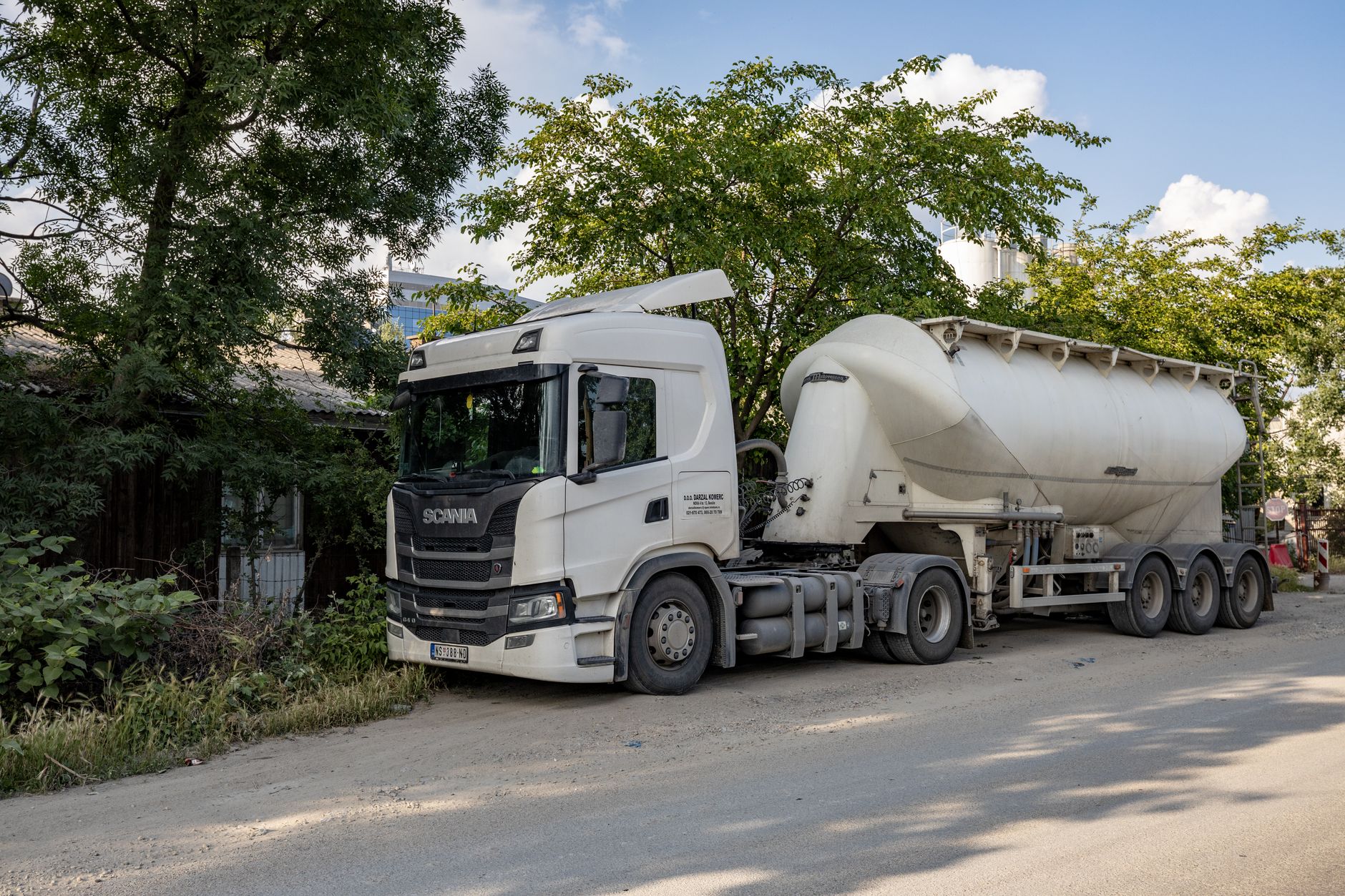
Photo by Boris Hamer on Pexels