WASHINGTON, D.C. — The transition to electric vehicle fleets is creating a significant new cybersecurity vulnerability for the American trucking industry, according to federal officials. FBI Supervisory Special Agent David Smith recently warned that the shift toward electrification provides cyber criminals with expanded entry points into the transportation sector. These threats target everything from onboard software to the charging infrastructure that keeps rigs moving across the country.
As fleets move away from traditional diesel power, they become targets for a wider array of bad actors, including state-sponsored hackers, organized crime syndicates, and hacktivists. The danger is compounded by the lack of standardized security protocols in the U.S. automotive market compared to international counterparts. Experts such as Mark Zachos, chairman of the TMC Cyber Security Task Force, note that vehicle communications systems often contain hidden back doors that savvy hackers can exploit, turning modern trucks into liabilities rather than just tools for hauling freight.
The threat landscape is becoming increasingly complex due to the rise of polymorphic ransomware, which uses artificial intelligence to constantly evolve its digital signature to bypass traditional defenses. Data from 2022 shows that ransomware payments by U.S. victims surged tenfold, highlighting the financial stakes for trucking companies hiring new technical staff to mitigate these risks. Scott Aaronson of the Edison Electric Institute noted that security must be treated as a three-pronged effort covering hardware, software, and the human element. While federal agencies like the FBI are pushing for closer cooperation, they admit that current protective measures are often insufficient against attackers who view existing regulations as mere obstacles to be bypassed.
What This Means for Drivers
For the average CDL-A driver, the rise of electrified fleets means that your truck is increasingly reliant on cloud-based software and constant digital connectivity. An owner-operator must now consider the cyber-integrity of their rig, as a hacked vehicle could be remotely disabled or held for ransom while on a load. Protecting your livelihood now requires keeping your onboard systems updated with the latest software patches just as you would maintain a transmission or engine. If you notice strange behavior in your vehicle's electronic dashboard, report it to your fleet manager immediately to prevent further system compromise.
Industry Reaction
The industry is responding by creating closer ties with federal intelligence services. The FBI has opened its CISO Academy to utility and transportation executives to facilitate better communication regarding incoming threats. Despite this, experts emphasize that individual companies cannot afford to act in isolation. The TMC Cyber Security Task Force is currently working to establish recommended practices to fill the regulatory void left by the absence of strict U.S. automotive standards. Finding reliable truck driver jobs in this new era will increasingly depend on working for carriers that prioritize digital security alongside driver safety and equipment maintenance.
Key Points
- The FBI warns that electric vehicle infrastructure creates larger attack surfaces for hackers.
- Polymorphic ransomware uses AI to change its code, making it difficult to detect with standard IT tools.
- Ransomware payments in the U.S. saw a tenfold increase in 2022, signaling a massive rise in criminal activity.
- The U.S. lacks the rigorous automotive cybersecurity certification standards found in the European market.
Looking for a better trucking job? US Trucker's free job-matching service connects CDL-A drivers, OTR drivers, regional drivers, and owner-operators with 500+ top US carriers. Leave your details in the form on this page and a recruiter will call you within one business day. Trucking companies are hiring now.
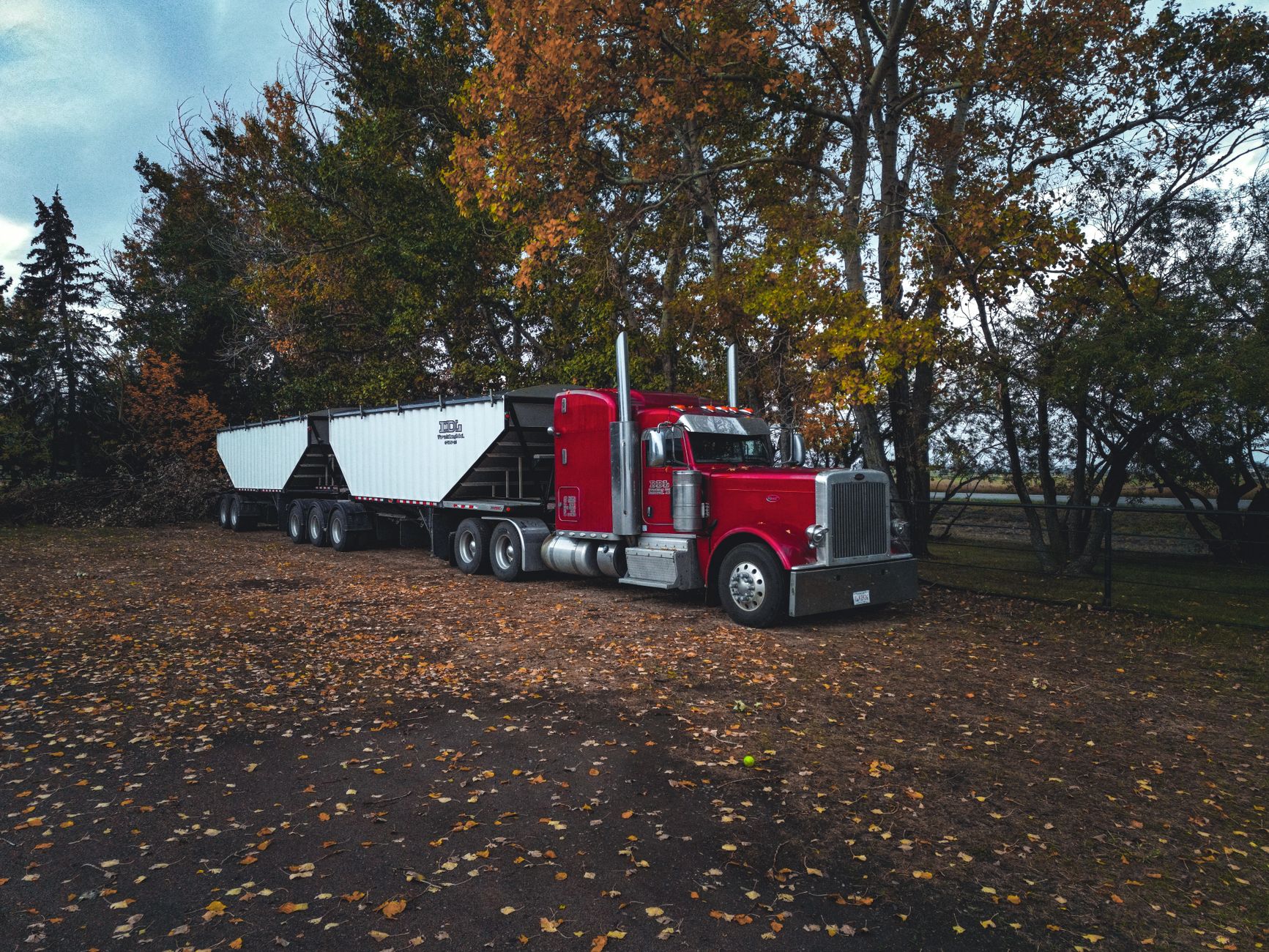
Photo by Peter Buhler on Pexels