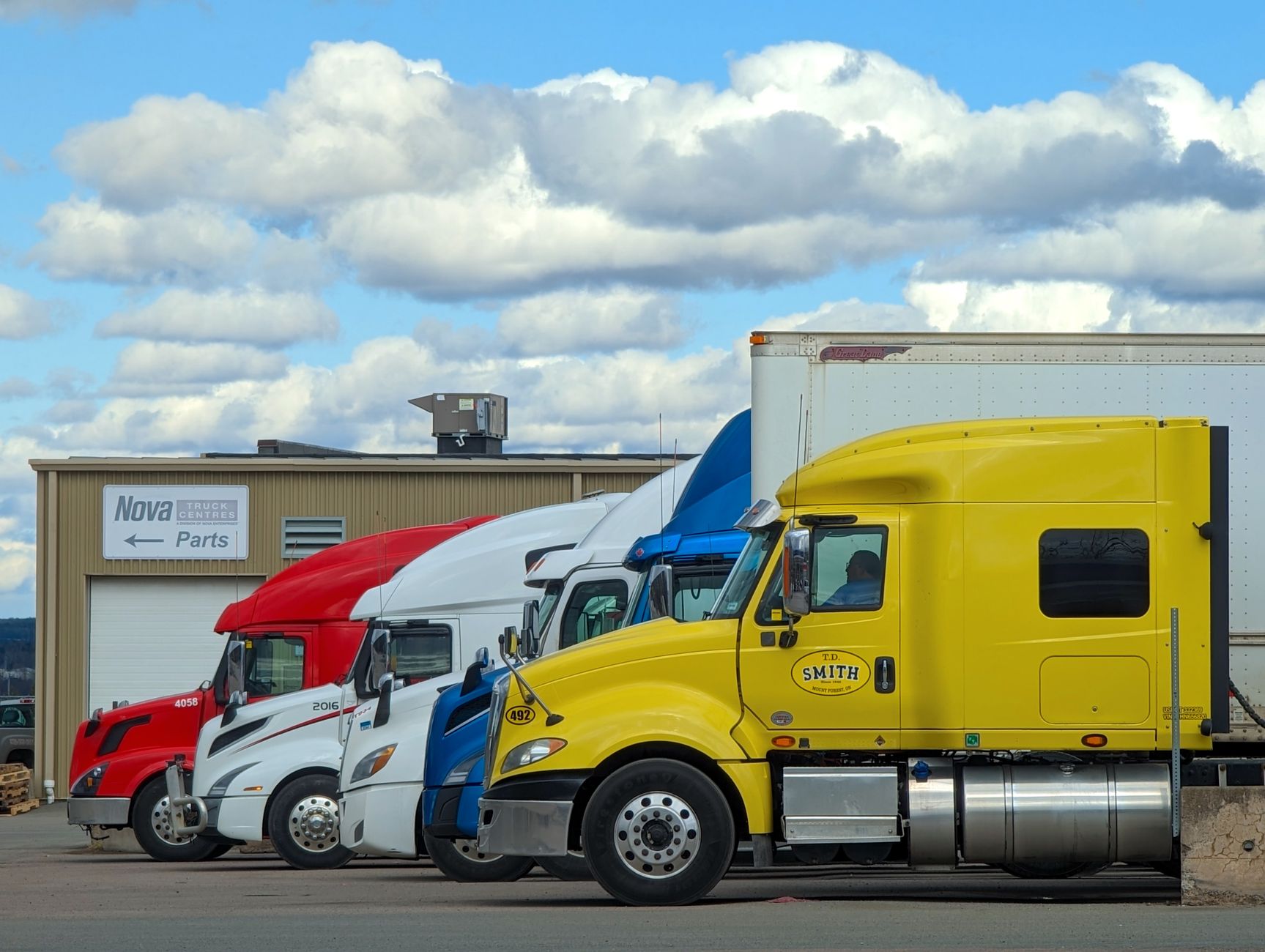
Washington, D.C. — Diesel fuel prices at the pump saw a sharp downward correction, dropping 6.8 cents per gallon to reach $4.376 according to the latest Energy Information Administration data. This brings national retail averages back to rates not seen since February 28, 2022, offering a brief moment of financial relief for owner-operators and independent fleets despite upward momentum in futures markets.
This price relief at the pump follows a lag where retail averages finally caught up to previous weeks of wholesale declines, though that downward trajectory has run its course. On the CME commodity exchange, Ultra Low Sulfur Diesel futures climbed 2.86%, adding nearly 8 cents to settle at $2.7919 per gallon. Meanwhile, broader energy markets stumbled as West Texas Intermediate crude slipped 0.24% to $76.16 per barrel and Brent crude dropped 0.6%.
The current pricing anomaly is heavily influenced by international trade restrictions targeting Russian fuel production. European Union policies have instituted a $100-per-barrel price cap on refined Russian petroleum products, barring European firms from insuring or transporting cargo traded above that threshold. Spain and other member states have actively blocked vessels carrying suspected Russian-linked petroleum products, even those flagged under foreign registries like Singapore, tightening global supply lines.
What This Means for Drivers
CDL-A drivers and independent owner-operators must watch fuel management closely as wholesale markets reverse their recent downward trend. While pump prices dropped nearly 21 cents over prior weeks, the sudden spike in ULSD futures signals that freight haulers could see margins squeezed again if commodity costs translate back to retail lanes. Fleet managers and leased operators should utilize current lower fuel costs to lock in rate structures and protect operating capital against impending market volatility.
Industry Reaction
Logistics analysts point to European enforcement mechanisms as a primary driver of recent market bifurcation, separating retail lag from immediate commodity futures movement. Physical spreads in the United States, such as those tracked between New York Harbor and the U.S. Gulf Coast, have remained relatively flat with negative-2 cent differentials recorded in New York terminals. This domestic disconnect indicates that U.S. supply is temporarily absorbing international shocks, though trucking companies hiring across major freight corridors remain cautious about long-term fuel expenditure projections.
Key Points
- National retail diesel prices fell 6.8 cents to $4.376 per gallon according to EIA figures.
- CME Ultra Low Sulfur Diesel futures jumped 2.86% to settle at $2.7919 per gallon.
- EU sanctions and a $100-per-barrel price cap on Russian petroleum continue to pressure global supply chains.
- Wholesale-to-retail price spreads have narrowed as pump costs catch up to prior wholesale drops.
Looking for a better trucking job? US Trucker's free job-matching service connects CDL-A drivers, OTR drivers, regional drivers, and owner-operators with 500+ top US carriers. Leave your details in the form on this page and a recruiter will call you within one business day. Trucking companies are hiring now.
Photo by Bogdan Krupin on Pexels