Tallahassee, Fla. — Hurricane Debby struck the southeastern United States on Monday, August 5, as a Category 1 system, prompting governors in Florida, Georgia, and South Carolina to declare states of emergency. The storm brought sustained winds of up to 95 mph to the Florida coast, triggering a cascade of tornado warnings and widespread flooding across the Gulf Coast and North Florida regions. These declarations are not merely ceremonial; they activate specific regulatory waivers that allow commercial motor vehicles to operate outside standard federal and state restrictions to facilitate disaster recovery efforts.
\nThe immediate impact of Debby has strained critical infrastructure across the three states. The Florida emergency declaration notes that up to 12 inches of rain could fall within a single week, posing severe risks to major interstates, bridges, airports, and power grids. Such conditions threaten to halt normal logistics operations, creating an urgent need for specialized transport to move repair materials and supplies. For the trucking industry, this means a shift from standard freight movement to emergency response logistics, where speed and access to damaged areas take precedence over routine compliance with size and weight statutes.
\nFlorida has issued two distinct emergency orders to manage the recovery phase. The first expires on Thursday, August 8, while the second remains in effect until August 15. Both orders waive Interstate Fuel Tax Agreement (IFTA), Interstate Registration and Permit (IRP), and size and weight regulations for divisible loads. This relief is specifically extended to motor carriers and drivers providing emergency services or supplies to the affected zones, ensuring that the movement of critical goods is not delayed by standard administrative hurdles.
\nWhat This Means for Drivers
\nFor a CDL-A driver or owner-operator operating in Georgia, the emergency declaration provides temporary relief from hours-of-service (HOS) rules and size and weight restrictions when distributing goods in response to the storm. The Georgia Department of Public Safety will issue specific permits to commercial vehicles operating outside regular weight, height, and length limits, allowing larger loads to reach damaged sites. In South Carolina, the executive order suspends registration, permit, length, width, weight, and load regulations for commercial and utility vehicles on non-interstate routes for up to 120 days, provided the gross weight does not exceed 90,000 pounds and the width stays under 12 feet.
\nDrivers must remain vigilant regarding the specific routes and weight caps defined in each state’s order. South Carolina’s HOS suspension applies to both interstate and non-interstate routes for up to 30 days, offering significant flexibility for long-haul operators supporting the recovery. However, these waivers are conditional on the vehicle being engaged in storm response activities. Carriers should document their purpose and route clearly to avoid potential disputes with state inspectors. The prohibition on price gouging for motor fuel and diesel remains in effect in Georgia, protecting drivers from inflated fuel costs during the crisis.
\nIndustry Reaction
\nThe broader trucking industry views these emergency regulations as a necessary tool for maintaining economic stability in disaster-stricken regions. By temporarily relaxing FMCSA regulations and state-specific weight limits, governors aim to accelerate the repair of power grids and roadways, which are vital for the continued operation of supply chains. This approach aligns with standard disaster response protocols where the speed of delivery often outweighs standard compliance metrics. Carrier associations typically urge their members to monitor state transportation department websites for updated permit information and route closures, as conditions can change rapidly following a hurricane of this magnitude.
\nKey Points
\n- Florida waived IFTA, IRP, and size/weight rules for divisible loads until August 15.
- Georgia permits oversized vehicles for storm response and bans fuel price gouging.
- South Carolina allows vehicles up to 90,000 pounds on non-interstate routes for 120 days.
-
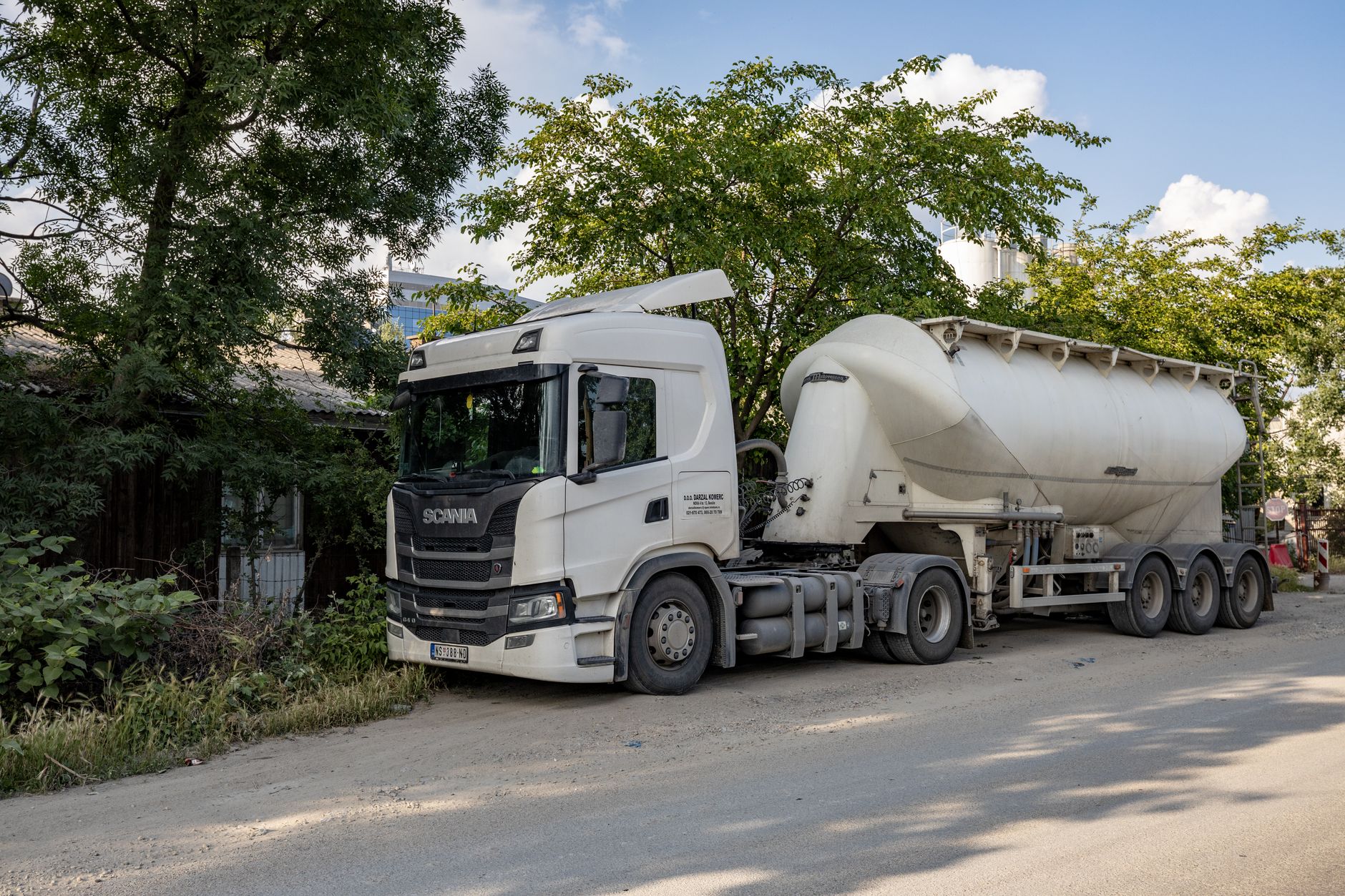
Photo by Boris Hamer on Pexels