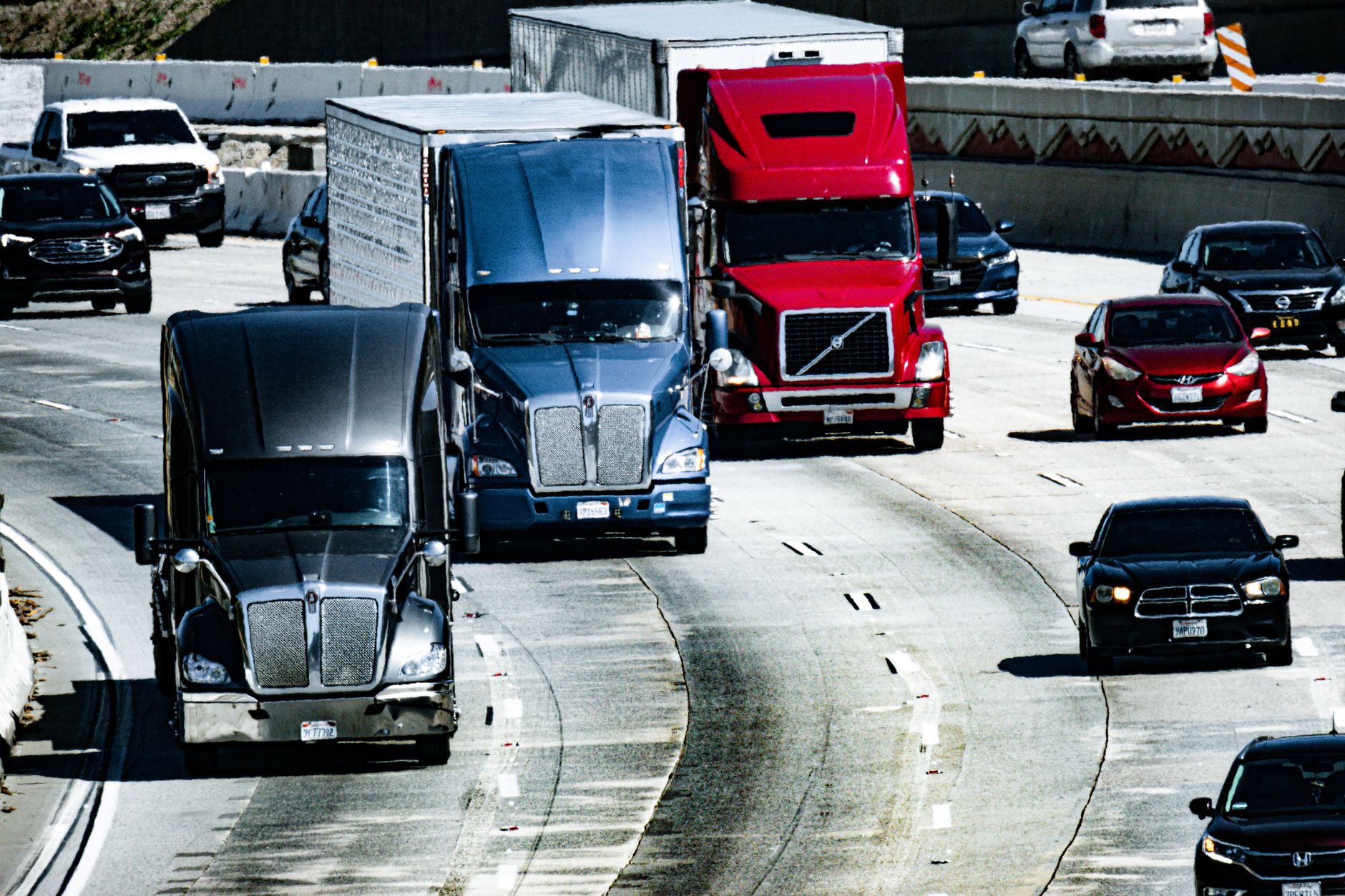
CHICAGO, IL — Fleet managers across the United States are increasingly turning to big data and telematics analytics to squeeze efficiency out of their operations as fuel prices and maintenance costs remain top-of-mind. The move toward digitizing every mile represents a fundamental shift in how trucking companies manage their assets, prioritizing real-time data collection over traditional, reactive management styles.
Operational survival in the modern market depends on more than just keeping a rig on the road. Managers are now scrutinizing fuel consumption, vehicle utilization rates, and driver telematics to identify inefficiencies that bleed profits. By integrating fuel card data with GPS tracking and maintenance logs, companies are building a comprehensive digital profile of their fleet health. This shift directly impacts the daily routine of the average CDL-A driver, as performance metrics now dictate everything from fuel incentives to route assignments.
Proactive maintenance is replacing the old model of fixing trucks only when they break down. By analyzing patterns in repair costs and downtime, fleet operators can schedule service intervals that prevent catastrophic failures on the road. This transition to predictive analytics aims to minimize vehicle downtime, which remains the single biggest hurdle for any owner-operator looking to maintain a consistent revenue stream. Enhanced monitoring of idling time and harsh braking incidents has become standard practice, directly influencing safety scores and insurance premiums.
What This Means for Drivers
Every move a driver makes—from the moment the ignition turns over to the final drop-off—is now logged and analyzed by sophisticated fleet software. CDL-A drivers should expect companies to use this data to calculate individualized safety scores, which are increasingly tied to performance bonuses and fuel efficiency incentives. If you are an OTR truck driver, your idling habits are no longer just a personal choice but a measurable metric that impacts your fleet’s bottom line and your own standing with the company. Staying aware of how your driving style appears in the telematics dashboard is crucial for maintaining a competitive edge in your career.
Industry Reaction
The transition toward high-tech fleet management has drawn mixed reactions from the rank and file. While many carriers argue that these tools are essential for optimizing routes and ensuring regulatory compliance, many drivers remain wary of the constant surveillance inherent in modern telematics. Industry analysts suggest that the fleets successfully leveraging this data are the ones that provide transparent feedback to their drivers rather than using the information strictly for punitive measures. As trucking companies hiring new talent prioritize tech-savvy operations, the ability to work within these data-driven frameworks is becoming a standard requirement for professional drivers.
Key Points
- Telematics systems now provide real-time tracking of vehicle location, speed, and fuel consumption to reduce operational waste.
- Predictive maintenance schedules are being utilized to decrease vehicle downtime and avoid expensive emergency repairs.
- Driver behavior metrics, such as harsh braking and unnecessary idling, are now primary inputs for fleet safety and efficiency training.
- Centralized management software allows for the integration of disparate data sources, including fuel cards and maintenance records, into one actionable dashboard.
Looking for a better trucking job? US Trucker's free job-matching service connects CDL-A drivers, OTR drivers, regional drivers, and owner-operators with 500+ top US carriers. Leave your details in the form on this page and a recruiter will call you within one business day. Trucking companies are hiring now.
Photo by David Brown on Pexels