WASHINGTON, D.C. — The Commercial Vehicle Safety Alliance (CVSA) has officially activated its 2026 North American Standard Out-of-Service Criteria, mandating that roadside enforcement across the U.S., Canada, and Mexico follow updated protocols for grounding unsafe drivers and vehicles. These seventeen specific revisions serve as the definitive standard for determining whether a commercial unit presents an imminent hazard on the highway, forcing immediate shutdowns for those found in non-compliance.
For the average CDL-A driver, these changes represent a significant tightening of enforcement standards. Inspectors now have expanded authority to intervene when records of duty status are manipulated to the point where actual driving or rest periods cannot be verified, even if the logs appear complete. The removal of references to outdated automatic onboard recording devices marks a shift toward modern digital oversight, while specific language regarding alcohol consumption has been clarified to ensure that any presence of beer, wine, or spirits results in an immediate out-of-service order.
Technical adjustments to vehicle inspections are equally rigorous. The criteria now explicitly classify defective air brake hoses and tubing under the 20% defective brake threshold, leaving less room for officer discretion. The terminology has shifted to reflect modern hardware, with 'service air connections' replacing the older 'service gladhands' phrasing. Furthermore, inspectors are now required to flag vehicles if emergency exits are marked but lack clear operating instructions, a move aimed at enhancing safety for passenger-carrying operations.
What This Means for Drivers
Owner-operators and fleet managers must ensure their equipment meets these updated standards immediately to avoid expensive roadside downtime. If you are an OTR truck driver, pay close attention to your cargo securement, as the new ExTe Com90 system is now part of the formal inspection list. Any missing placards for multiple divisions within the same hazard class can trigger an out-of-service order, so double-check your hazmat labeling before leaving the yard. Keeping your paperwork and vehicle maintenance in line with these FMCSA regulations is the only way to avoid the increasing scrutiny at weigh stations.
Industry Reaction
The industry is bracing for a period of heightened enforcement as roadside inspectors calibrate their procedures to the 2026 manual. While these updates aim to harmonize safety standards across North America, many carriers are concerned that the new complexity—particularly regarding logbook tampering and the nuances of brake lining measurements—will lead to more frequent stops. With trucking companies hiring, drivers who stay ahead of these technical requirements will find themselves in a much stronger position when seeking new opportunities.
Key Points
- Seventeen distinct changes were approved for the 2026 inspection cycle across North America.
- Logbook tampering that prevents an inspector from determining past events now carries a mandatory out-of-service penalty.
- Parking brake inspections now officially include emergency brake functions to ensure comprehensive testing.
- New charts have been implemented to clarify the seven specific types of federal out-of-service orders.
Looking for a better trucking job? US Trucker's free job-matching service connects CDL-A drivers, OTR drivers, regional drivers, and owner-operators with 500+ top US carriers. Leave your details in the form on this page and a recruiter will call you within one business day. Trucking companies are hiring now.
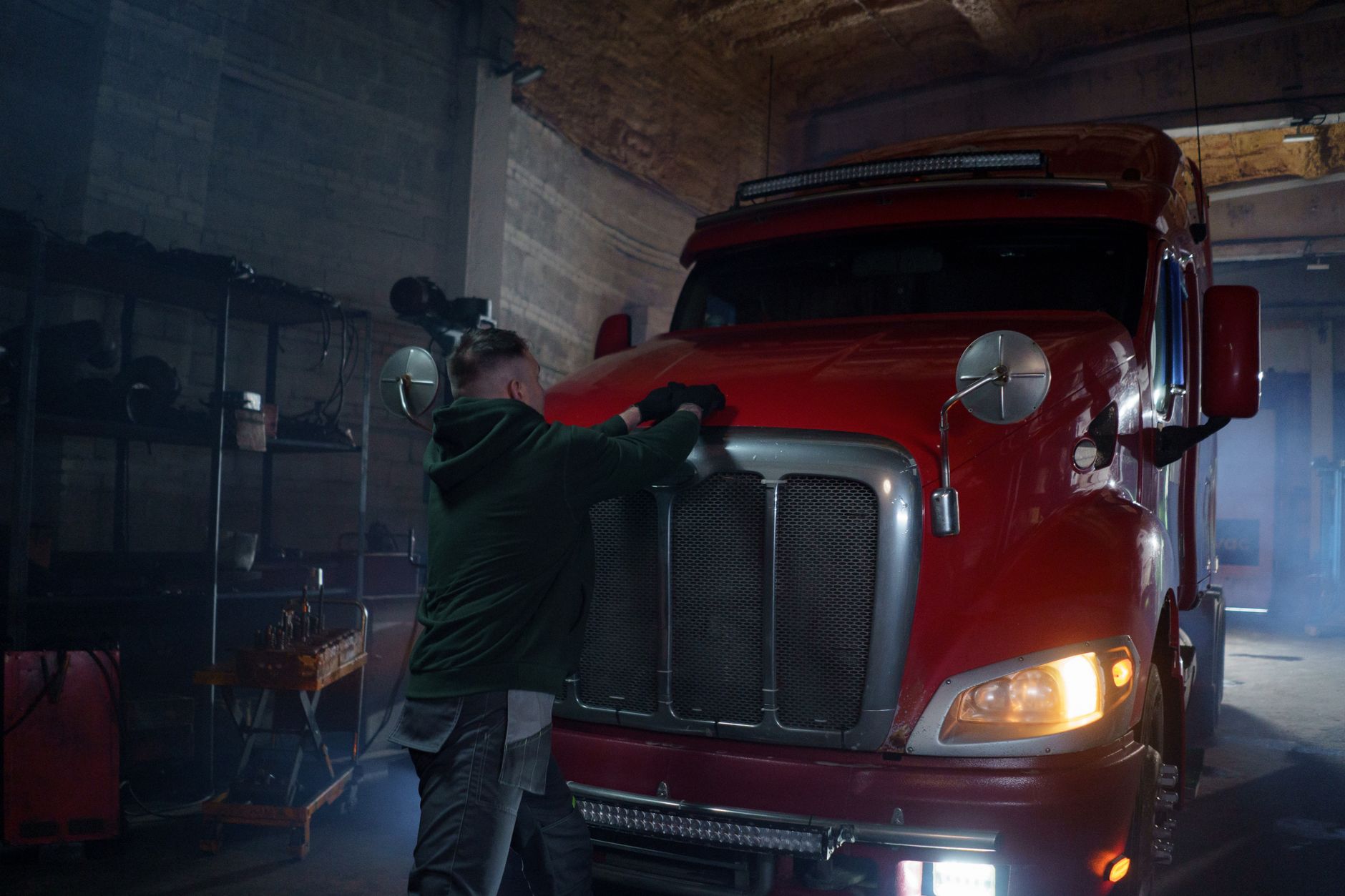
Photo by cottonbro studio on Pexels