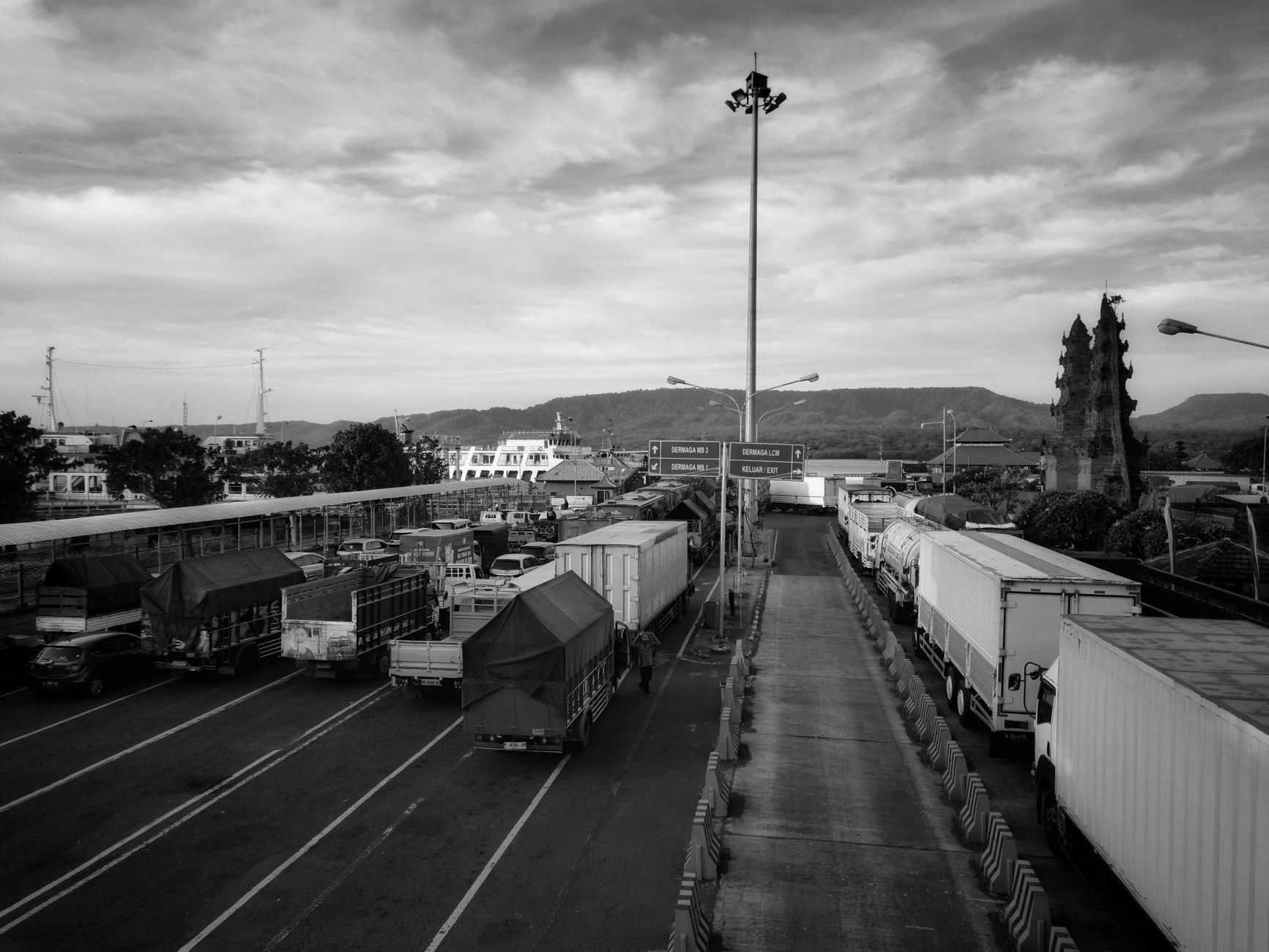
Chicago, Illinois — Professional truck drivers navigating the nation's busiest freight lanes faced mounting delays last year, with the latest Inrix Global Traffic Scorecard ranking Chicago as the second most congested city in the entire world. Motorists in the Windy City lost an astounding 155 hours to traffic gridlock over the course of the year, trailing only London, where drivers wasted 156 hours. Paris rounded out the global top three with 138 hours lost, while Boston secured the fourth spot at 134 hours.
For a CDL-A driver trying to keep tight delivery schedules and maintain Hours of Service compliance, moving freight through these urban bottlenecks drains both time and diesel. The financial toll on Chicago motorists hit an average of $2,618 per driver, pushing the city's total congestion cost past $9 billion. Downtown commercial traffic crawled along as average speeds dropped to a glacial 11 mph, marking a 27% decrease compared to the previous year and turning routine urban runs into costly operational hurdles for any OTR truck driver.
National metrics underscore a broad resurgence in vehicle movement as pandemic-era restrictions faded into the rearview mirror. Across the United States, the average motorist wasted 51 hours in traffic jams during 2022, representing a 15-hour jump from the prior year and translating to an average personal time loss valued at $869. That figure excludes surging fuel expenses, with Inrix analysts calculating that higher pump prices forced the typical driver to spend an extra $134 on gas compared to 2021. Across the entire country, cumulative congestion costs reached $81 billion, marking a 53% spike over 2021 levels even though total lost hours nationwide hit 4.8 billion—remaining below the 6-billion-hour peak recorded in 2019.
What This Means for Drivers
Heavy urban congestion directly disrupts route planning and eats into the legally mandated rest periods for any commercial motor vehicle operator. When regional bottlenecks slow traffic to a crawl, delivery windows evaporate and Detention time eats up potential earnings for owner-operators and company drivers alike. Fleets operating in major metropolitan areas must continuously adjust dispatch strategies to bypass notorious trouble spots like Interstate 55 southbound in Chicago or Interstate 95 through Stamford, Connecticut. Navigating these slow-moving corridors also burns precious fuel reserves, directly undercutting profit margins for independent operators who shoulder every penny of their operating expenses.
Industry Reaction
Logistics professionals and trucking companies hiring in congested regions face an uphill battle when trying to recruit and retain qualified drivers who are tired of wasting hours stuck in bumper-to-bumper traffic. While federal infrastructure funding aims to address crumbling bridges and bottlenecked interchanges, the immediate reality on the ground requires dispatchers to utilize advanced GPS routing and off-peak delivery windows to keep freight moving efficiently. As traffic volumes continue climbing back toward pre-pandemic norms across major urban zones, carriers must factor these severe delays into rate negotiations and customer expectations.
Key Points
- Chicago ranked as the second most congested city globally, with drivers losing 155 hours to traffic in 2022.
- Average downtown Chicago speeds plummeted to 11 mph, marking a 27% decrease from the previous year.
- Nationwide traffic congestion cost drivers and society $81 billion, a 53% increase compared to 2021.
- The average American motorist lost 51 hours to gridlock, resulting in $869 of lost time per driver.
Looking for a better trucking job? US Trucker's free job-matching service connects CDL-A drivers, OTR drivers, regional drivers, and owner-operators with 500+ top US carriers. Leave your details in the form on this page and a recruiter will call you within one business day. Trucking companies are hiring now.