MUNICH, Germany — BMW AG is doubling down on hydrogen fuel cell technology by hitching its passenger vehicle ambitions to the rapid expansion of heavy-duty commercial trucking infrastructure. While major competitors such as Mercedes-Benz have pivoted heavily toward battery-electric platforms, BMW leadership maintains that hydrogen-powered fleets offer a practical roadmap to sustainable mobility. Company executives believe that scaling up refueling networks for commercial trucks will drastically reduce the cost of entry and infrastructure hurdles for passenger cars, creating a shared fueling ecosystem similar to traditional diesel lanes.
Logistics operators and heavy-duty carriers are driving early interest in hydrogen due to the weight limits and lengthy recharge times associated with massive battery packs in long-haul operations. Heavy truck manufacturers like Volvo AB and Daimler Truck Holding AG united forces in 2021 to develop scalable hydrogen technology, aiming for full commercial fuel cell production. BMW’s hydrogen technology program lead, Jürgen Guldner, noted that establishing dual-use refueling stations serving both commercial trucks and passenger automobiles is significantly more straightforward when logistics fleets anchor the demand. BMW already rolled out a pilot fleet of hydrogen-powered iX5 SUVs for a global two-year test across the United States, Europe, and Asia.
Global capital allocation still heavily favors battery-electric vehicles over hydrogen alternatives. Last year, worldwide investment in hydrogen fuel cell technology lagged far behind passenger EVs, drawing roughly $2 billion compared to more than $24 billion poured into electric charging networks. BMW CEO Oliver Zipse contends that battery charging bottlenecks on long-distance routes will eventually push a segment of motorists toward hydrogen. Nevertheless, manufacturing hurdles remain significant. Guldner pointed out that current hydrogen storage cylinders are too wide to fit into vehicles built on the company's upcoming Neue Klasse platform, requiring extensive engineering to shrink cylinder diameters without compromising capacity.
What This Means for Drivers
Commercial freight operations and independent owner-operators are closely watching how heavy-duty hydrogen corridors develop across major U.S. and European shipping lanes. Fleets running alternative fuels face unique logistical challenges regarding route planning and fuel availability, particularly outside major metropolitan freight hubs. As heavy-duty truck manufacturers partner with automotive brands to expand shared fueling stations, CDL-A drivers can expect to see more alternative-fuel infrastructure integrated into traditional truck stops. Trucking companies hiring for green corridors will likely introduce specialized training for drivers operating zero-emission heavy equipment as these multi-million-dollar technology partnerships ramp up production toward 2025.
Industry Reaction
While Mercedes-Benz stepped back from hydrogen passenger vehicle development to concentrate entirely on battery-electric options, other commercial giants are doubling down on joint ventures to share capital costs. Volvo CEO Martin Lundstedt emphasized the necessity of unified industry standards to accelerate the buildout, comparing the strategy to the universal availability of diesel fuel. By pooling resources across passenger and commercial sectors, manufacturers hope to bypass the infrastructure chicken-and-egg dilemma that has slowed alternative fuel adoption for decades.
Key Points
- BMW is utilizing commercial heavy-duty truck routes to subsidize and expand hydrogen refueling infrastructure for passenger cars.
- Volvo AB and Daimler Truck Holding AG are collaborating on heavy-duty fuel cell production targeted for 2025.
- Global hydrogen investments reached $2 billion last year, trailing far behind the $24 billion directed toward EV charging infrastructure.
- BMW launched a global test fleet of hydrogen iX5 SUVs across the United States, Europe, and Asia to evaluate real-world performance.
Looking for a better trucking job? US Trucker's free job-matching service connects CDL-A drivers, OTR drivers, regional drivers, and owner-operators with 500+ top US carriers. Leave your details in the form on this page and a recruiter will call you within one business day. Trucking companies are hiring now.
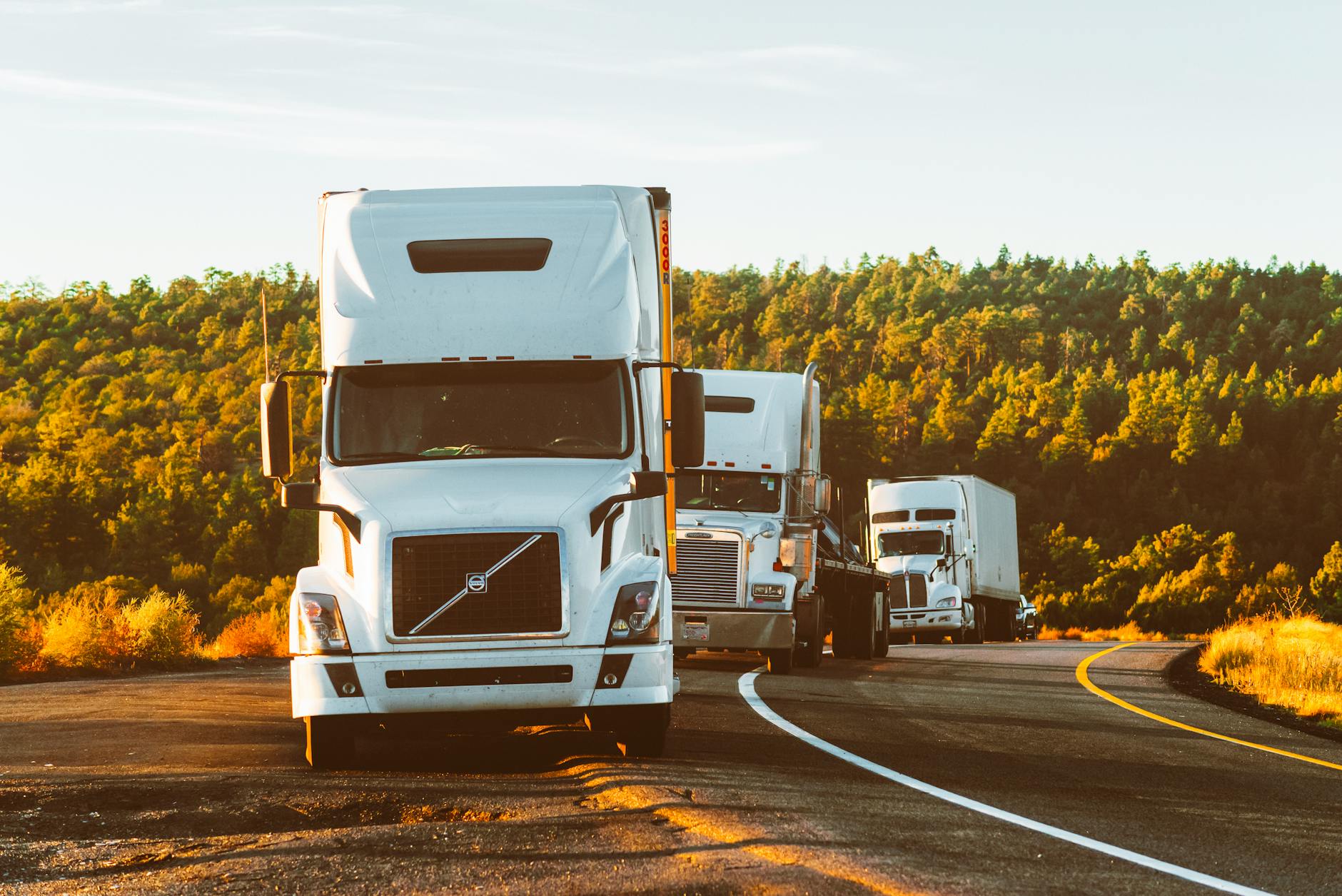
Photo by Quintin Gellar on Pexels