WASHINGTON, D.C. — Many professional drivers are moving away from the assumption that a career behind the wheel requires weeks of isolation, as more trucking companies are hiring for roles that prioritize regular home time. While over-the-road positions remain a staple of the freight industry, a growing number of local, regional, and dedicated opportunities are proving that a CDL-A driver can earn a competitive living without sacrificing their personal life or sleeping in a bunk every night.
This shift in recruitment strategy addresses a long-standing issue in the labor market: the desire for a predictable work-life balance. Local delivery operations, shuttle services, and yard-jockey roles are now at the forefront of this transition, offering schedules that allow drivers to end their shifts at the same facility where they started. By focusing on regional distribution centers and short-haul logistics, fleets are finding it easier to retain talent while meeting the demands of modern supply chains.
Regional trucking serves as a viable middle ground for those who still enjoy the open road but want to avoid the wear and tear of cross-country hauls. These positions often involve a few nights away, but the cadence is measured in days rather than weeks. For those who prioritize consistency over daily home time, LTL linehaul networks and private fleets supporting large-scale retail and grocery operations provide some of the most stable schedules in the transportation sector. These roles often require prior experience, but they reward operators with highly predictable, recurring routes.
What This Means for Drivers
Drivers looking to transition out of OTR work must understand that increased home time often comes with a different set of physical and operational demands. Local routes frequently involve higher frequencies of customer interaction, complex navigation through congested urban environments, and more manual labor during the loading or unloading process. An owner-operator or company driver should weigh these daily stressors against the benefits of a home-every-night schedule. Choosing the right path depends on whether a driver values the freedom of the highway or the predictability of a local terminal run.
Industry Reaction
The broader industry is recognizing that long-term sustainability for the workforce depends on flexible scheduling. As trucking companies continue to face turnover challenges, carriers are redesigning their operations to cater to drivers who are no longer willing to sacrifice family time. This evolution in the workplace culture is making the profession more accessible to a wider demographic and helping to stabilize the national driver pool. By moving away from the 'all-or-nothing' approach to distance, the industry is creating a more resilient model for the future of freight.
Key Points
- Local trucking positions allow drivers to return to the same facility at the end of every shift.
- Regional routes provide a balance between highway miles and predictable home time.
- LTL linehaul and private fleets offer some of the most consistent schedules in the industry.
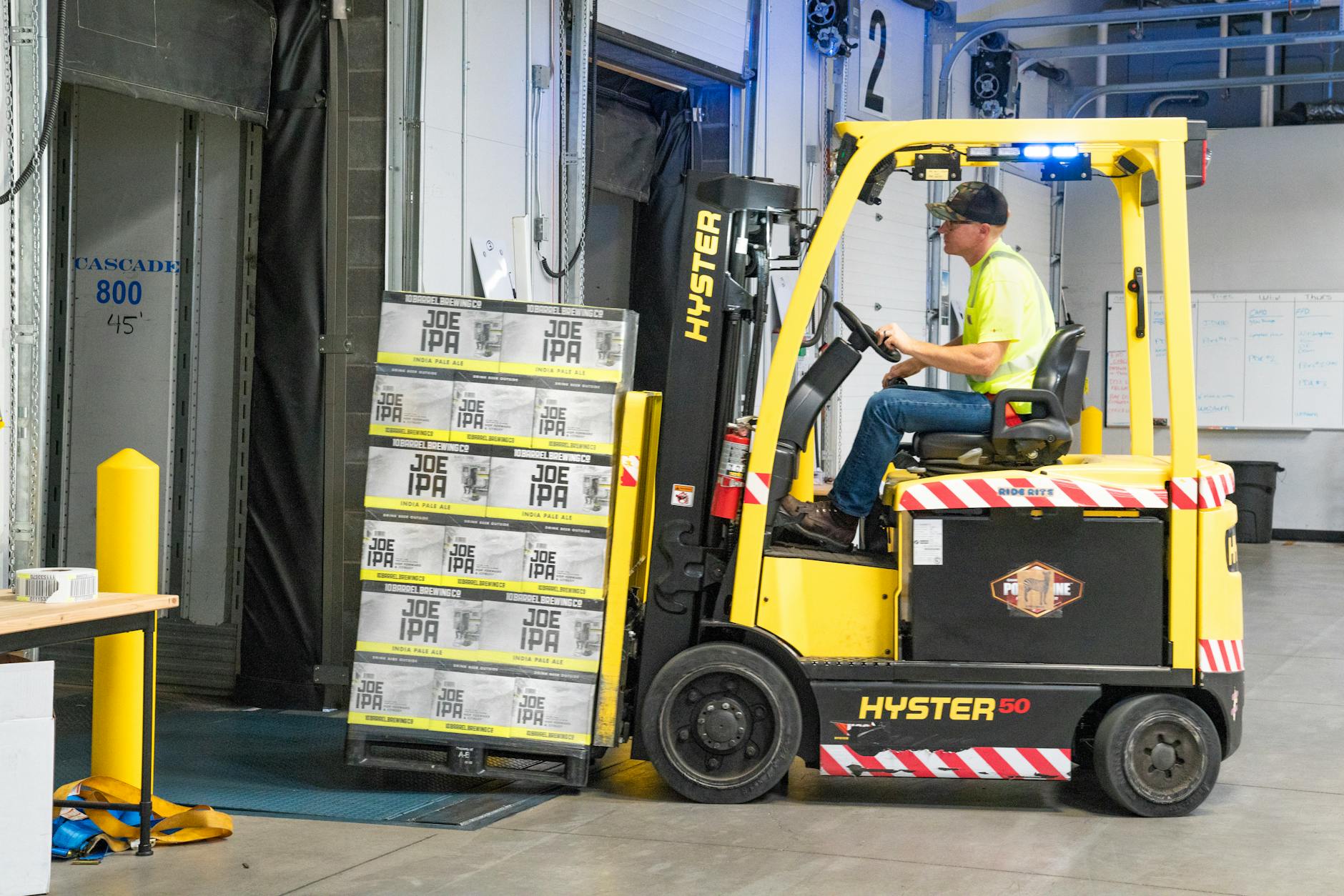
- Yard driver and shuttle roles eliminate highway travel entirely for those who prefer to stay local.
Looking for a better trucking job? US Trucker's free job-matching service connects CDL-A drivers, OTR drivers, regional drivers, and owner-operators with 500+ top US carriers. Leave your details in the form on this page and a recruiter will call you within one business day. Trucking companies are hiring now.