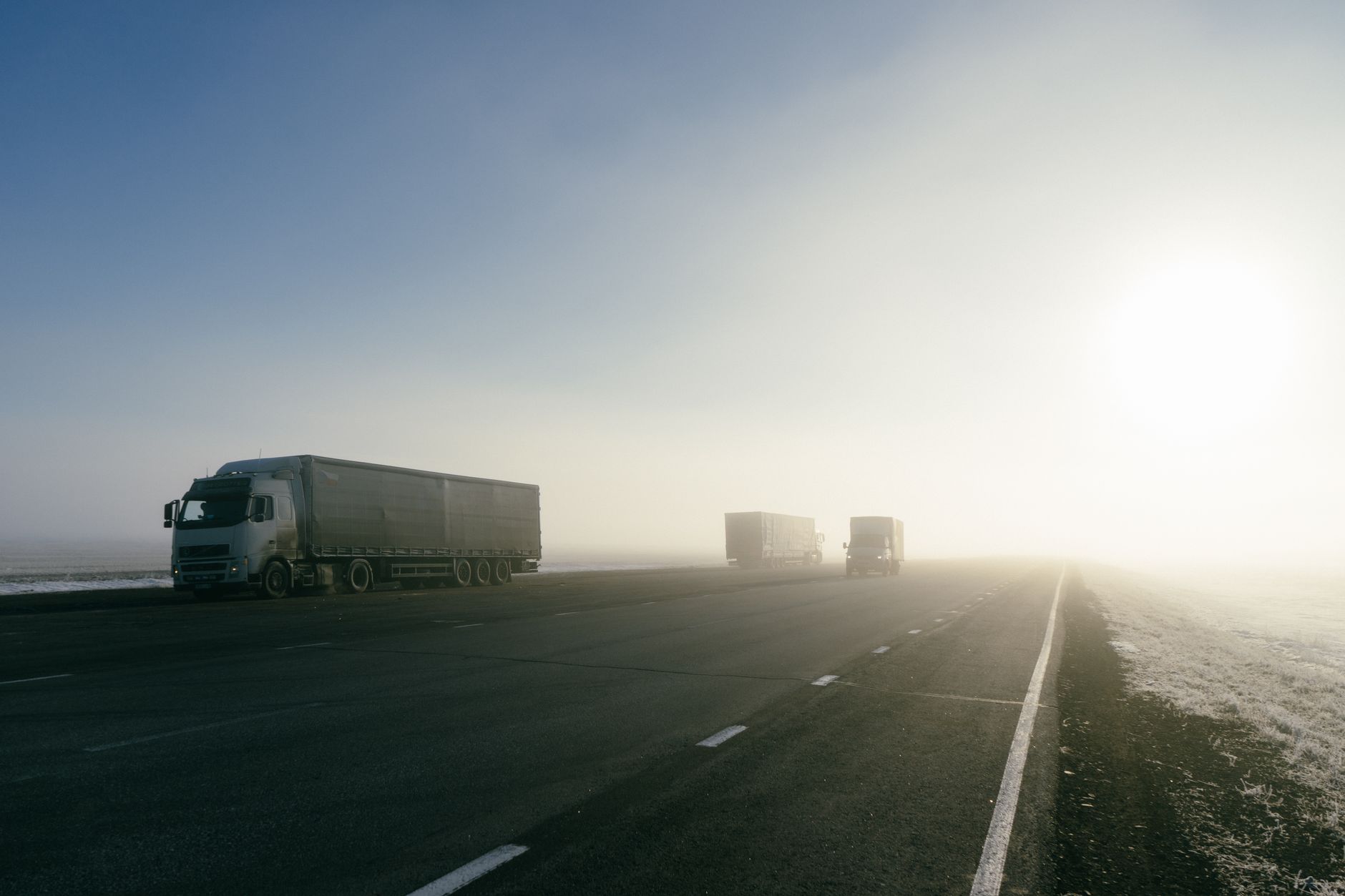
ANCHORAGE, Alaska — Professional drivers operating on Alaska’s ice roads face a stark reality far removed from the scripted drama of reality television. These seasonal routes serve as the only lifeline for remote villages and industrial sites during the winter months, requiring a level of logistical precision that makes standard OTR truck driver routes look like a walk in the park.
The Alaska Department of Transportation and Public Facilities manages these temporary thoroughfares, which are constructed directly over frozen lakes, rivers, and tundra. Because these roads are subject to the whims of shifting ice conditions and extreme weather, they are strictly regulated. Companies must adhere to rigid weight classes and speed limits, as the structural integrity of the ice remains the single greatest variable in this high-stakes transportation sector.
Safety protocols on these routes focus on three variables: ice thickness, vehicle weight, and environmental conditions. Drivers are expected to maintain constant communication with dispatch, as cellular service is frequently nonexistent. Mechanical failure in these remote corridors is not merely an inconvenience; it is a critical threat that necessitates carrying extensive cold-weather survival gear and enough fuel to sustain life during potential long-term delays.
What This Means for Drivers
For any CDL-A driver looking to pivot into this niche, the job demands total self-sufficiency. You will spend extended periods hundreds of miles from the nearest repair shop or medical facility, making basic mechanical aptitude a requirement rather than a suggestion. Owner-operator success on these routes depends on keeping equipment in peak condition to withstand sub-zero temperatures that can brittle metal and stall engines. Dispatchers coordinate closely with every rig, but when you are on the ice, the responsibility for staying within posted weight limits and monitoring ice degradation rests entirely on the driver’s shoulders.
Industry Reaction
While mainstream media often focuses on the danger, the professional trucking community views these routes as a logistical necessity. The industry emphasizes that this work is less about bravado and more about disciplined, slow-speed operation in a tightly controlled environment. Carriers operating in the region prioritize drivers who demonstrate a high level of patience and adherence to safety mandates, as the margin for error is non-existent. For those interested in this line of work, ustrucker.info remains the primary resource for vetting the reputable trucking companies hiring for specialized winter operations.
Key Points
- Routes are temporary, shifting annually based on ice thickness and local environmental data.
- Drivers are legally required to operate within strict weight and speed thresholds set by state agencies.
- Mechanical reliability is a life-safety issue, requiring drivers to carry survival gear and heating backups.
- Constant, coordinated dispatch communication is the only safety net in areas with zero cell coverage.
Looking for a better trucking job? US Trucker's free job-matching service connects CDL-A drivers, OTR drivers, regional drivers, and owner-operators with 500+ top US carriers. Leave your details in the form on this page and a recruiter will call you within one business day. Trucking companies are hiring now.
Photo by Daniil Ustinov on Pexels