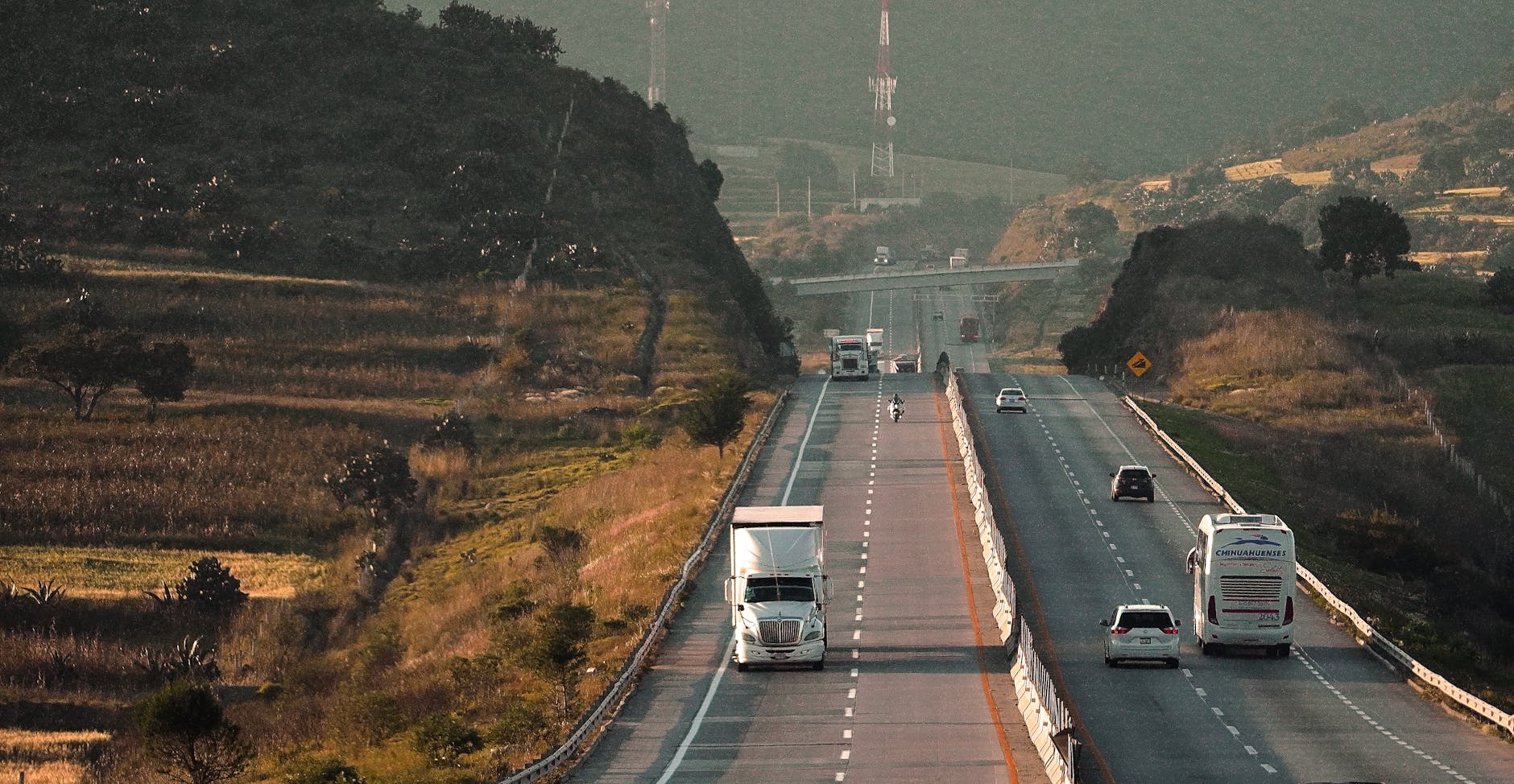
CHICAGO, IL — The movement of a single truckload shipment represents a complex chain of coordination that begins long before a driver backs into a shipping dock. While the highway may suggest a straightforward process, professional operators know that every load involves a precarious balance between production schedules, warehouse capacity, and real-time transit variables that can shift at a moment's notice.
Transportation planning often starts with manufacturers and retailers who prioritize inventory management over truck arrival times. When a trailer arrives at a facility, it enters an ecosystem of forklift traffic, shift changes, and dock availability that frequently dictates the pace of the entire haul. Dispatchers must constantly account for these variables, balancing hours of service and equipment maintenance against the reality that a late departure from a shipper can trigger a domino effect of missed delivery appointments and lost revenue for an owner-operator.
Data drives the modern supply chain, with every completed delivery contributing to a carrier's operational history. Companies track everything from fuel performance and route efficiency to detention times, using this information to refine future dispatch decisions. For a CDL-A driver, this means the difference between a high-efficiency lane and a stagnant run often comes down to how well the carrier manages its trailer pools and cross-dock connections.
What This Means for Drivers
Every OTR truck driver understands that the scheduled appointment time is often more of a suggestion than a guarantee. Drivers must remain vigilant in communicating delays to dispatch, as these updates are vital for protecting delivery commitments and ensuring the next load is ready upon arrival. Owner-operators should recognize that their ability to navigate these logistical hurdles directly impacts their equipment utilization and bottom-line profitability. Carriers are actively using this shipment data to identify which facilities cause the most downtime, making it essential for drivers to document their wait times accurately.
Industry Reaction
The industry continues to shift toward more transparent communication between receivers, shippers, and carriers to mitigate the impact of unforeseen delays. When damage or documentation discrepancies occur, the push is toward immediate resolution to prevent long-term claims issues. As logistics networks become increasingly integrated, carriers are focusing on smarter trailer management and regional network connectivity to keep equipment moving efficiently, which is a major factor for those seeking stable truck driver jobs in a competitive market.
Key Points
- Dispatchers evaluate outbound freight potential in specific markets like Dallas or Atlanta before even assigning a load.
- Shipping paperwork, including bills of lading and seal numbers, is only finalized once the freight is verified and loaded.
- Load securement requirements, such as the use of load locks or airbags, are dictated strictly by the commodity type, from palletized goods to building materials.
- Carriers leverage historical performance data to eliminate recurring bottlenecks at customer facilities.
Looking for a better trucking job? US Trucker's free job-matching service connects CDL-A drivers, OTR drivers, regional drivers, and owner-operators with 500+ top US carriers. Leave your details in the form on this page and a recruiter will call you within one business day. Trucking companies are hiring now.
Photo by Bruno Rodriguez on Pexels