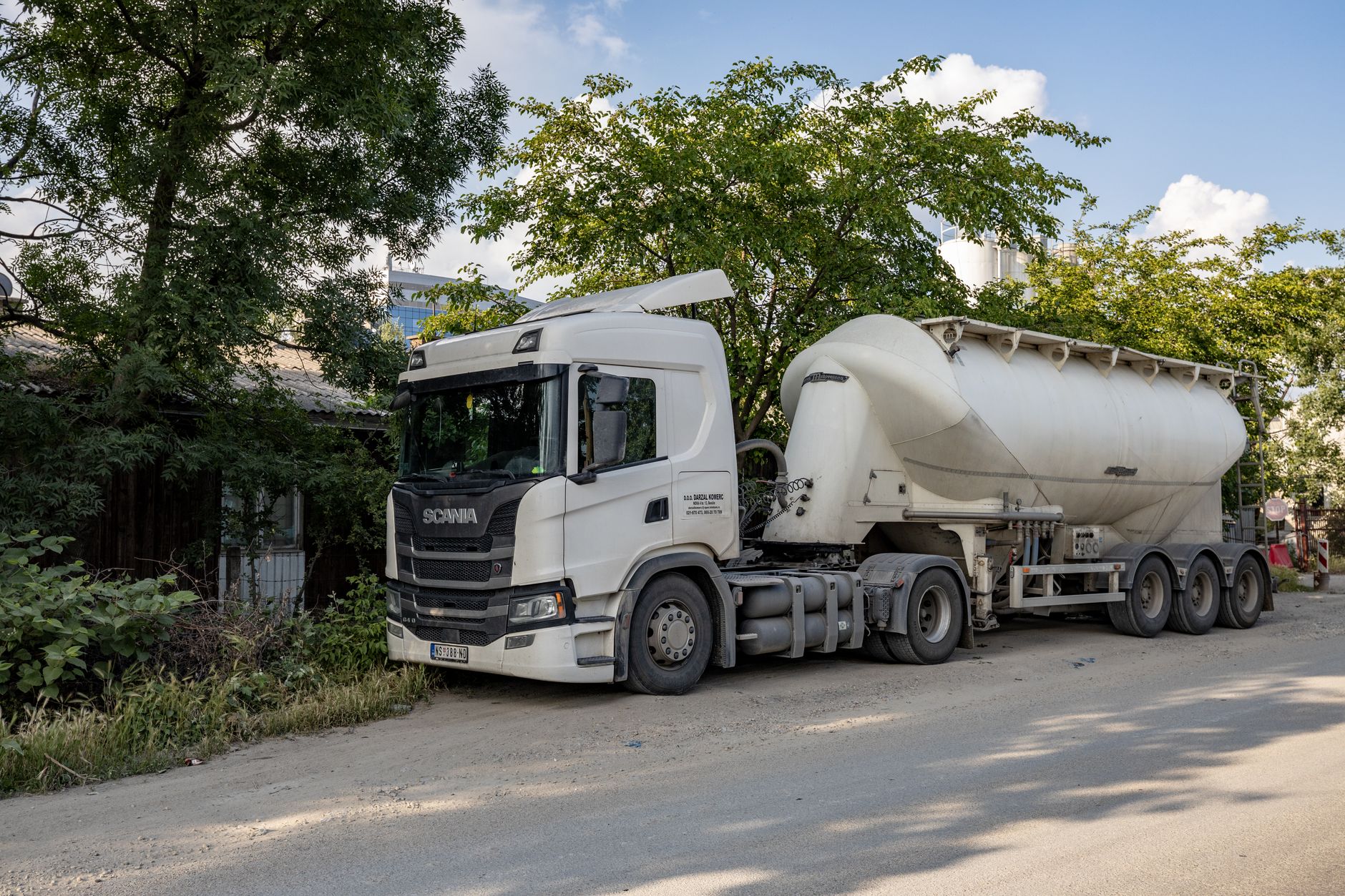
WASHINGTON, D.C. — Professional drivers often ask why their rigs lack the same airbag systems found in family sedans, but the reality is that semi-truck safety relies on a more robust, integrated approach to crash survival. Data from the National Highway Traffic Safety Administration confirms that the physics of a commercial vehicle crash are fundamentally different from those of a passenger car, requiring specialized engineering rather than mass-market safety solutions.
Trucks are built to withstand immense forces, utilizing reinforced cab structures that prioritize structural integrity over the crumple zones common in smaller vehicles. Because of the sheer mass and unique dynamics involved in a heavy-duty collision, standard airbags are ineffective at managing the forces a driver experiences in a tractor-trailer. Instead, the industry has shifted toward proactive systems that prevent accidents before they occur, alongside passive protections designed to keep the operator within the safety cage of the cab.
The Federal Motor Carrier Safety Administration reports that consistent seat belt use remains the single most effective safety measure, reducing fatal injury risk by as much as 65 percent. Supplementing this, electronic stability control is now a standard requirement for many fleets, with the Insurance Institute for Highway Safety noting that these systems reduce fatal crash risks in large trucks by more than half. These systems monitor vehicle movement in real-time, applying independent braking to wheels to prevent rollovers and loss of control during emergency maneuvers.
What This Means for Drivers
For the modern CDL-A driver, these technological advancements represent a significant shift in daily operations. Collision mitigation systems, which use radar and cameras to monitor traffic, provide a critical extra layer of defense by automatically applying brakes if a rear-end collision becomes imminent. Lane-keeping assist and departure warnings help combat the realities of driver fatigue, giving an audible or physical nudge to keep the rig centered in the lane. These features are now standard equipment for many top trucking companies hiring today, ensuring that fleet-wide safety standards are continuously elevated.
Industry Reaction
The transition toward high-tech safety suites has been largely driven by the need to protect the life of the operator while navigating increasingly congested roadways. Industry advocates emphasize that while technology cannot replace the skill of a veteran driver, it serves as an essential safety net in high-stakes environments. Carriers are increasingly investing in these systems to lower insurance costs and protect their most valuable assets—the drivers themselves. As FMCSA regulations continue to evolve, the integration of ABS, stability control, and collision avoidance has become the benchmark for professional fleets across the country.
Key Points
- Seat belts reduce fatal injury risk by up to 65% in commercial vehicle accidents.
- Electronic Stability Control (ESC) cuts the risk of fatal crashes for large trucks by over 50%.
- Anti-lock Braking Systems (ABS) remain critical for maintaining traction and preventing wheel lockup during sudden stops.
- Reinforced cab designs are engineered to protect drivers in rollovers and side impacts where airbags offer no protection.
Looking for a better trucking job? US Trucker's free job-matching service connects CDL-A drivers, OTR drivers, regional drivers, and owner-operators with 500+ top US carriers. Leave your details in the form on this page and a recruiter will call you within one business day. Trucking companies are hiring now.
Photo by Boris Hamer on Pexels