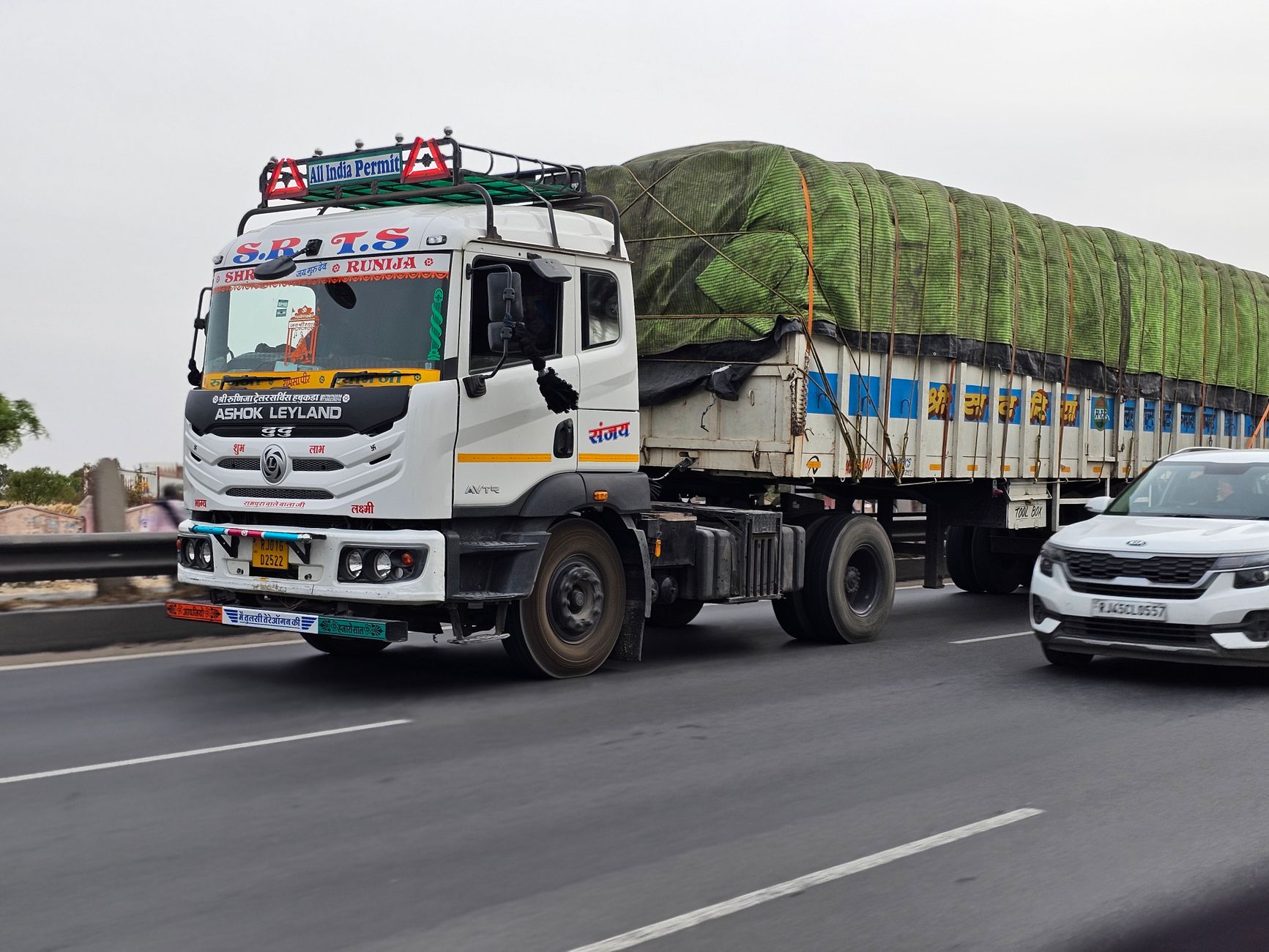
California, United States — State officials and a growing group of carriers have pledged to reach net‑zero emissions for heavy‑duty trucks within the next decade, a move that could reshape freight operations nationwide.
The trucking sector moves more than 70 % of all goods in the United States, and any shift in cost structure or safety protocol reverberates through supply chains from coast to coast. Automation, stricter emissions standards and smarter logistics are the three forces that industry analysts say will determine whether the industry merely survives or actually thrives in the coming years.
Automation tools such as lane‑departure alerts, adaptive cruise control and cloud‑based smart routing are already being rolled out by carriers seeking to cut paperwork and fuel waste. Artificial‑intelligence platforms now crunch traffic, weather and dock‑yard data to suggest routes that shave minutes off OTR trips and reduce idle time at loading bays. Meanwhile, California’s high‑value incentive program rewards fleets that replace diesel powertrains with electric or alternative‑fuel units, and several major carriers have set 2035 as a target for net‑zero emissions. At the same time, the FMCSA is expected to tighten driver‑health rules, mandating longer rest periods and more rigorous fatigue monitoring.
What This Means for Drivers
CDL‑A drivers will see onboard safety suites that warn of lane drift and automatically adjust speed, lowering the likelihood of accidents on long hauls. Owner‑operators who invest in electric rigs must plan for charging infrastructure and may qualify for state rebates that offset upfront costs. Fleet managers will rely on AI‑driven dispatch software to assign loads, meaning drivers will receive more predictable routes and fewer last‑minute changes. The push for longer rest breaks could lengthen overall trip times, but improved route efficiency should offset lost mileage, keeping paychecks stable for OTR truck drivers.
Industry Reaction
Major carriers applaud the safety gains promised by driver‑assist technology, noting that fewer crashes translate into lower insurance premiums and less downtime. Driver advocacy groups, however, warn that rapid automation should not be used as a pretext to cut crew sizes, insisting that human judgment remains essential for navigating complex road conditions. Environmental NGOs praise California’s incentive model, arguing that a clear financial signal will accelerate the shift to zero‑emission trucks across the nation.
Key Points
- Automation such as lane‑departure alerts and smart routing is already cutting fuel use and paperwork for many fleets.
- California’s incentive program offers high‑dollar rebates to carriers that adopt electric or alternative‑fuel trucks.
- AI‑based logistics platforms can reduce loading‑bay wait times by up to 20 %.
- FMCSA‑linked driver‑health regulations are expected to enforce longer rest periods and stricter fatigue monitoring.
Looking for a better trucking job? US Trucker's free job-matching service connects CDL‑A drivers, OTR drivers, regional drivers, and owner‑operators with 500+ top US carriers. Leave your details in the form on this page and a recruiter will call you within one business day. Trucking companies are hiring now.
Photo by AMITR MEENA (AMMY) on Pexels